Introduction
Note: We have reverted to this rather old Plone-based site for a week or so while our shiny Drupal-based website is moved to a faster server. The content and contact information is up-to-date, so please get in touch if we can help you.
Our company was established in 1997 to make educational multimedia for a heritage centre in Sussex. Today we make websites and web applications for museums, galleries, archives and community groups in the UK and abroad.
We believe that this background and experience helps us to better understand the needs and aspirations of those working in the cultural sector and to work closely with them to deliver creative solutions that are easy to use and to maintain.
Current work
![]() |
Museum of Design in PlasticsThe collection data for the website was uploaded manually to its Drupal database in time for the launch of the site in July 2011. We are currently making a server module that will enable MoDiP staff to upload new and revised artefect records from the museum's MODES collection management system to the website's Drupal database without requiring our intervention. This involves taking the filtered XML data
output from MODES and matching it with any of nine pre-defined taxonomies, then storing it
in the Drupal database. The module will include tools to 'Add new record' and 'Replace existing record', avoiding the need to upload the whole database each time just a few records are changed. |
![]() |
Hove Civic SocietyThe existing website is rather old and running on a very early
version of Plone. The new site will be our first to run under Drupal 7. The branding and graphics have been re-designed and
the architecture revised to better reflect the society's current
activities. A basic Drupal 7 site is currently being deployed. Once that is done, we can start adding pages and menus and then migrate some of the existing content and add new where needed. The design will be applied independently and at the same time. |
![]() |
Society of Antiquaries of LondonThe home page has been re-designed with simpler styling, revised menus and a new column layout to make it appear less cluttered A mission statement has been added in a prominent position and there are now clear channels to the most used parts of the site. The development page illustrated left will be deployed on the live site in the next couple of weeks. |
Testimonials
"We found ATL’s responses to our queries measured and open. We also felt that they had the greatest understanding of the heritage sector, perhaps because they are themselves owned by a charitable trust and are based in a Regency heritage centre, in Brighton."
"We liked the fact that ATL’s solution suggested using open-source software (Plone) for the CMS, as we were wary of getting tied in to a company-specific system. There were no real differences in price between the companies, because they all tailored their solutions to the ballpark budget we stated. Our choice was based on the overall approach of each company to working with us, and I’m pleased to say we have made a good decision."
— Steve Gardam (British Postal Museum and Archive)
(from "Postal heritage and Plone" – article co-authored by Danny Hope of Adaptive Technologies)
"Just to let you know that our website launch last night ran smoothly, and we had many positive reactions from parents, governors and teachers.
"None of this would have been possible without your help, so thanks again for all you've done for us. I'll be recommending ATL to everyone in future."
— Jeremy Pearson, ICT Technician, Five Islands School


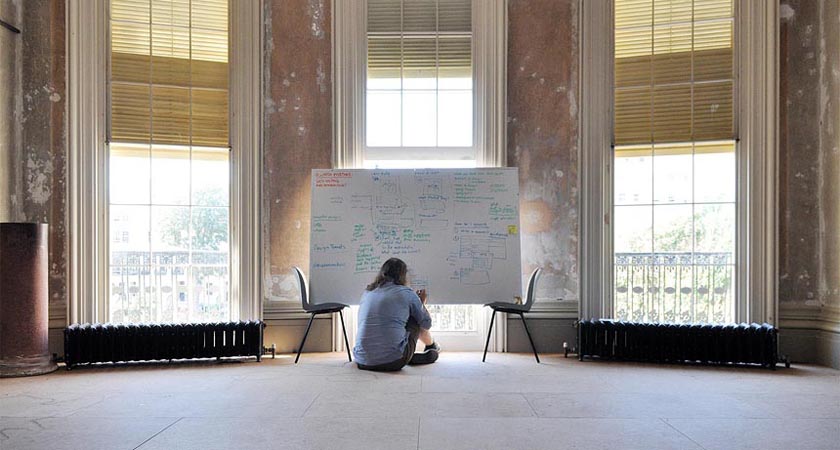
The Regency Town House is a grade 1 Listed terraced home of the
mid-1820s being developed as a heritage centre and museum to focus on
the architecture and social history of Brighton & Hove between the
1780s and 1840s.